
TOURISM
Spain is one of the world's leading tourist destinations. In this regard, it's worth noting that our country has the second most World Heritage cities in the world, the third most natural areas declared Biosphere Reserves, and the most blue-water beaches in the entire northern hemisphere.
Spain also boasts an excellent academic offering, thanks to a vast network of universities and some of the most prestigious business schools in the world. Furthermore, our country is the largest host country for Erasmus exchange students. Considering that Spanish is the second most widely spoken language in the world, Spain is a key destination in terms of educational offerings.
 |  |  |
|---|---|---|
 |  |  |
 |  |  |
 |  |  |
 |  |  |
GASTRONOMY
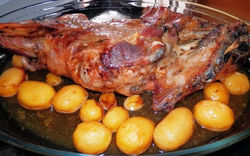
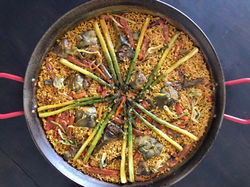
Spanish cuisine is one of the most varied and beloved in the world, recognized for the high quality of its fresh ingredients, such as olive oil, fish, meat (especially pork), and abundant vegetables. It is characterized by the influence of its Mediterranean diet, the use of culinary techniques that enhance the flavors of raw materials, and the rich diversity of regional dishes such as paella, tortilla de patatas, gazpacho, and stews.
Main features
Fresh Product:
Priority is given to the use of seasonal, high-quality ingredients, such as seafood, a variety of meats (pork, beef, lamb, chicken), and garden vegetables.
Mediterranean Diet:
Spanish cuisine is one of the healthiest and is based on the principles of the Mediterranean diet, with an emphasis on fish, fruits, vegetables, and olive oil.
Regional Diversity:
Each region of Spain has its own culinary specialties, influenced by its climate, local produce, and rich cultural history.
Olive oil:
It is the main fat and a fundamental element in Spanish cuisine, present in almost all dishes.